
Guides · Season by season
A hard water maintenance calendar
Hard water is constant, so the upkeep is a rhythm rather than a project. Monthly, keep the salt topped off and clean the aerators. Each season, look at the heater and the pressure. Once a year, flush the tank or descale the tankless unit and check the anode rod where you can reach it.
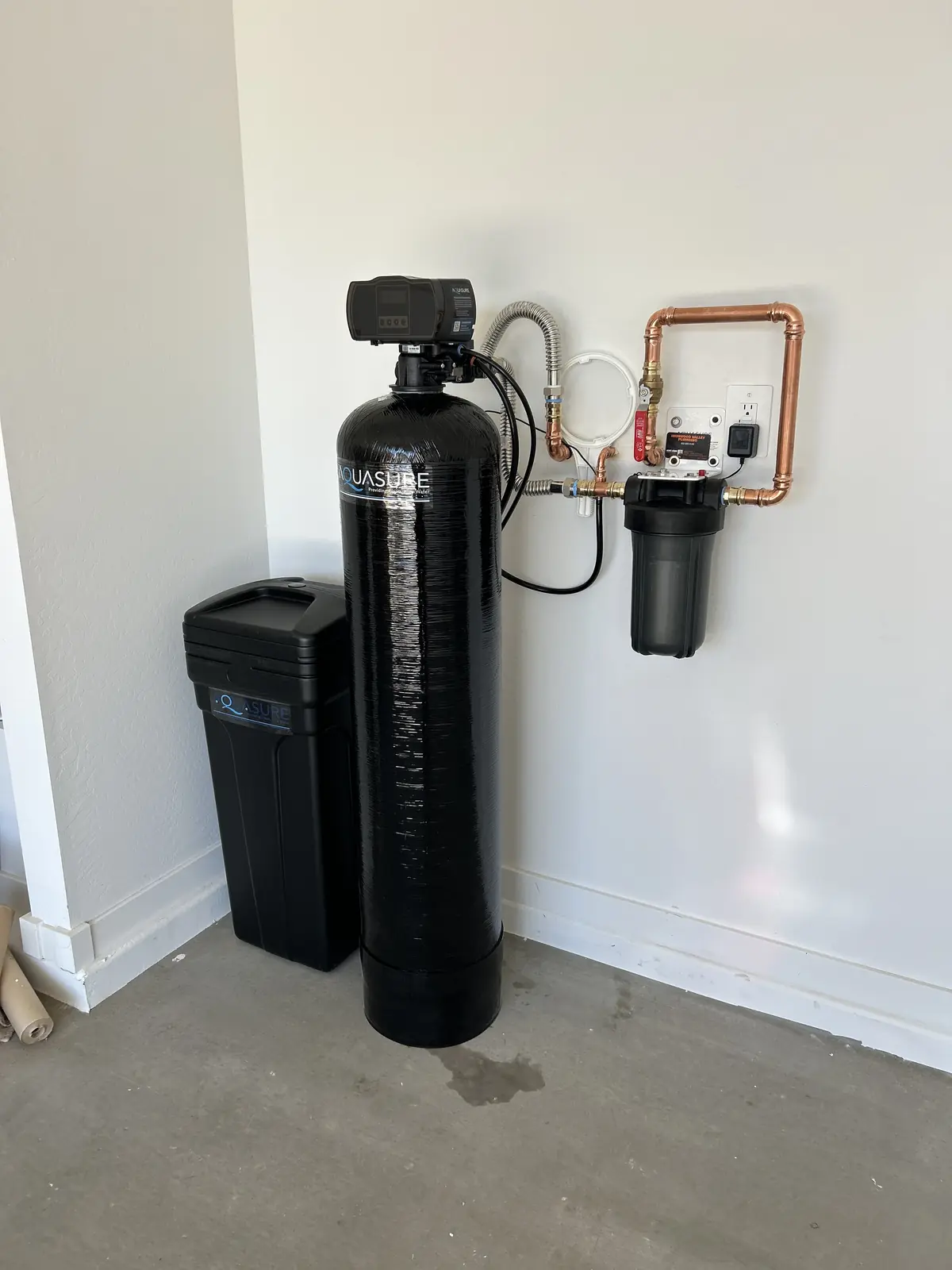
Monthly, five minutes
- Check the salt level in the brine tank and look for a crust bridging across it
- Unscrew and rinse an aerator or two, which tells you what the water is carrying
- Look at the floor around the heater, the softener and under the sinks
- Run any fixture that rarely gets used, so the trap does not dry out
Each season
- Put a gauge on a hose bib and read the static pressure
- Look at the temperature and pressure valve discharge for signs it has been letting water go
- Check the softener is regenerating, which you can usually tell from the salt going down
- Clean shower heads that have started to spray unevenly
Once a year
- Flush the water heater, and note how much sediment comes out
- Descale a tankless unit, sooner if the last one ran heavy
- Change reverse osmosis filters on their schedule
- Have the anode rod checked where the install allows it
- Exercise the main shutoff and the fixture stops, so they still turn when you need them
What actually makes the difference
Two jobs do most of the work: keeping the softener doing its job, and flushing or descaling the heater. Everything else on this list is worth doing, but those two are what decide whether a heater lasts well here or fails early.
The third is pressure. It is a single reading, it takes two minutes, and high pressure quietly shortens the life of everything downstream of it.
From the job log
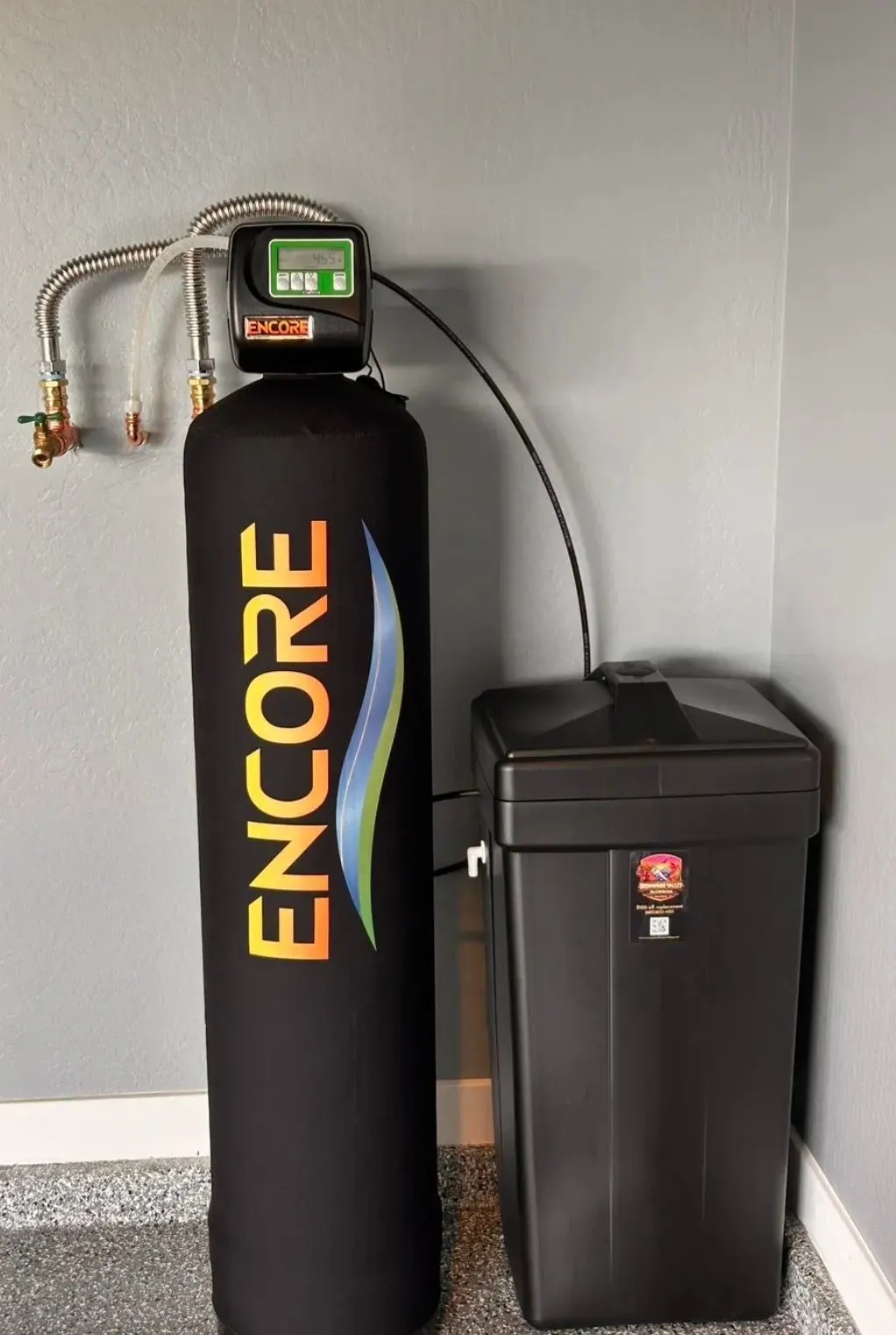
Work we’ve done
Answers
How do I know if my softener is actually working?
The salt going down is the simplest sign, along with the scale on the glass and the aerators easing off. If salt is not being used, the unit is not regenerating and it is doing nothing.
What is salt bridging?
A hard crust forms across the salt so it looks full while the brine below is empty. Tapping through it with a broom handle is usually all it takes, and it is worth checking for.
Is yearly flushing enough here?
It is a reasonable baseline, and what comes out tells you whether to do it sooner. A flush that runs heavy with sediment is the heater asking for a shorter interval.
If you need this done
- Water softenersValley water is some of the hardest in the country. A softener removes the minerals that scale fixtures, spot glass and shorten a water heater's life.
- Tankless water heatersSwapping a builder-grade tank for a tankless unit, indoors or out, with the gas, venting and water lines done right.
- Water heater repairNo hot water, water that runs cold early, noises or a leak? We find the real cause and give you an honest call on repair versus replacement.
- Where we workEvery town and ZIP across the Valley we cover.
In-home estimate
Rather have someone look at it? Tell us what's going on
We come out, look at the problem and explain what it needs before any work starts. For something urgent, calling is fastest.
Rather talk? Call or text (602) 833-4133.